Getting rid of bed bugs permanently starts with washing and drying everything that can go through a machine, vacuuming thoroughly, and reducing the clutter they can hide in, then dealing with what's left in the furniture and the room itself. The NHS advises washing bedding and clothing at 60°C and tumble drying for at least 30 minutes, which kills bed bugs and their eggs in anything that fits a machine. Items that can't be washed can be frozen for 2 to 3 weeks instead. For a genuine infestation, though, these steps on their own rarely clear every hiding bed bug from furniture, bed frames and wall cavities, which is why most people end up calling a professional once DIY hasn't worked. Bed bugs are among the trickier household pests to clear for this reason: unlike many insects, they hide deep in seams and cavities rather than out in the open, so the early signs are often easier to spot than the bugs themselves.
How to deal with bed bugs?
Start by washing bedding, clothing and soft furnishings at 60°C and tumble drying for at least 30 minutes, which kills bed bugs and their eggs. Vacuum mattresses, bed frames, carpets and skirting boards thoroughly and often, and reduce clutter around the bed so there are fewer places to hide. Items you can't wash can go in a freezer for 2 to 3 weeks instead.
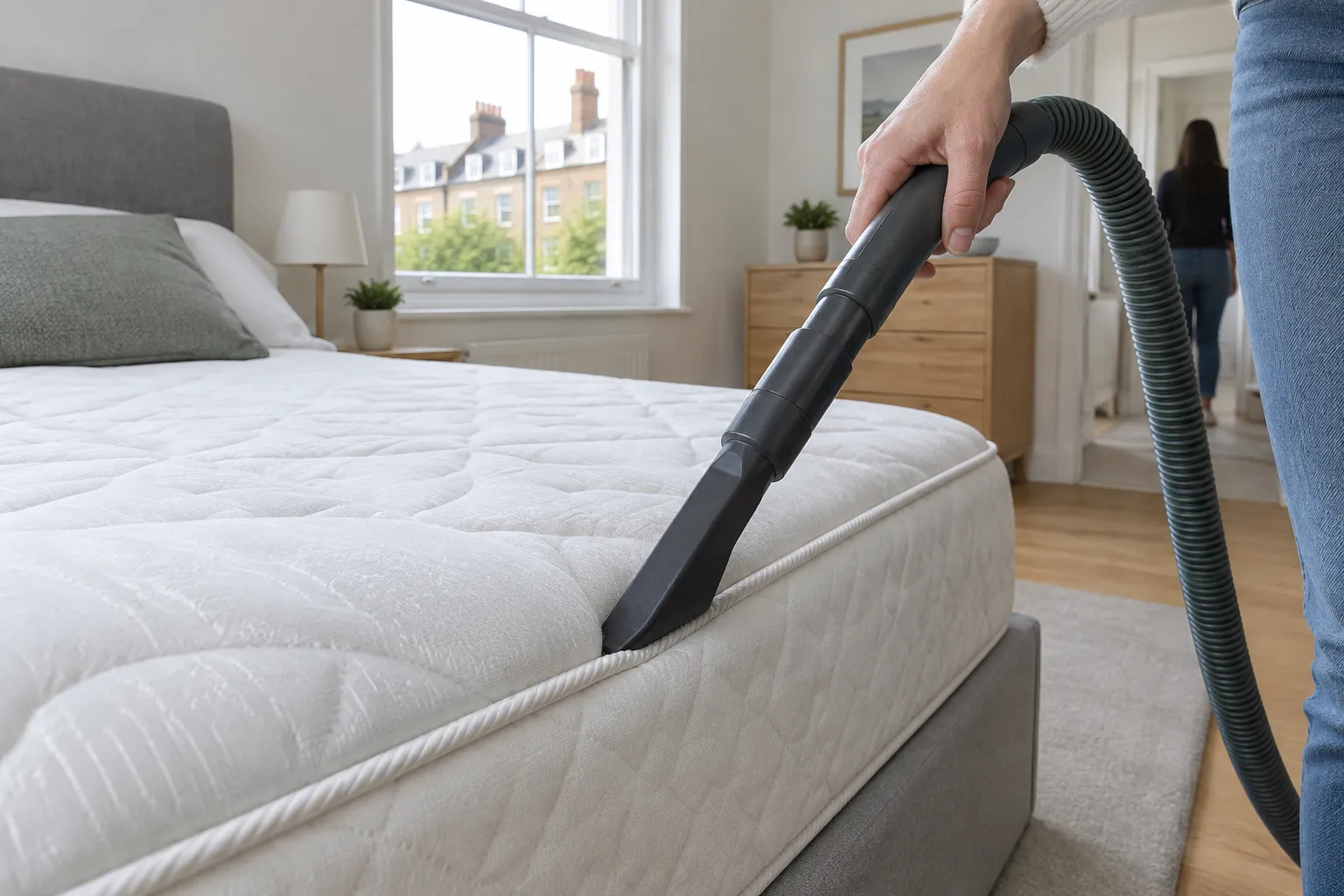
These steps reduce numbers and are worth doing before any professional visit, but a well-established infestation usually needs insecticide or heat treatment to finish the job, since bed bugs hide deep in furniture seams, bed frames and wall cavities that cleaning alone doesn't reach.
How to 100% know you have bed bugs?
There's no single home test that confirms it with total certainty. The combination to look for is: bites appearing on skin exposed while you sleep, small blood spots or dark faecal spots on bedding or mattress seams, and ideally a sighting of a live bug, about 5mm long and reddish-brown. A specialist inspection is the most reliable way to confirm an infestation and see how far it's spread.
How to tell if a rash is bed bug?
A bed bug bite typically looks raised and itchy, often grouped together or in a line, on skin you leave exposed overnight such as your face, neck or arms. On white skin it usually looks red or pink; on black or brown skin it can look brown, red or purple and be harder to spot.
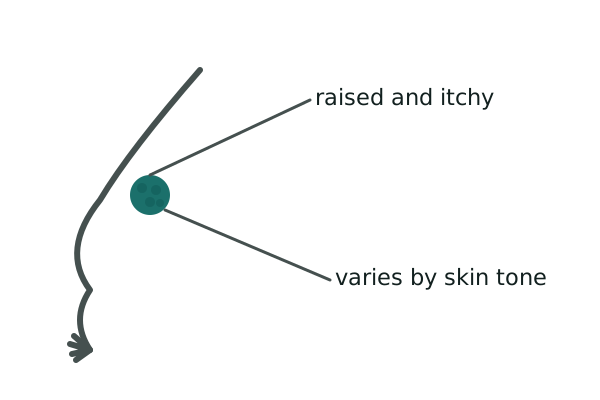
The bite pattern alone isn't proof, so check bedding for blood or faecal spots too. See our bed bug bites page for more on telling bites apart from other insects.
Can I do pest control myself?
You can do some of it yourself, particularly washing, drying, freezing and vacuuming, but a full infestation is hard to clear completely without professional-grade insecticide or heat treatment, since bed bugs hide in places a vacuum or washing machine can't reach. Many people try DIY first and call a specialist once bites continue despite the cleaning.
Questions people ask
How do you kill bed bugs fast?
Washing at 60°C and tumble drying for at least 30 minutes kills bed bugs and eggs in anything that fits a machine, and it's one of the quickest DIY steps. For the room itself, professional heat treatment can clear a whole space in a single visit, since it's built to reach the temperatures and hold them long enough to kill both adults and eggs throughout the room, not just on the surface.
Do bed bugs crawl under clothes?
Bed bugs don't live on your body or clothing the way some other pests do, but they can travel short distances in luggage, bags and clothing, which is one of the main ways they spread between rooms, hotels and homes. Checking and washing clothing after travel is a sensible precaution if you suspect exposure.
How soon can bed bugs come back after professional treatment?
It depends on the method and whether any were missed. Local council guidance notes that if live bed bugs are still evident around 4 weeks after a final treatment, a follow-up is usually needed, which is why many professional treatments include a return visit built in. Ask any specialist you get a quote from what their follow-up covers.
Can bed bugs lie dormant?
Bed bugs can survive for long stretches without feeding, which is why an infestation can seem to disappear and then return, for example in a property left empty for a while. This is also why thorough, repeated vacuuming and inspection matters more than a single clean.
What time of year is worst for bed bugs?
There isn't a quiet season; bed bugs are active year-round indoors because homes stay warm regardless of the weather. Reports often increase after periods of more travel, since bed bugs are commonly picked up from hotels or other accommodation and carried home in luggage.
Updated