
Bed bug bites are raised, itchy marks left by Cimex lectularius, the common bed bug, feeding on you while you sleep. They often turn up in a line or small cluster on skin you leave exposed overnight, typically your face, neck, arms and shoulders. On white skin the symptoms usually look red or pink; on black or brown skin they can look brown, red or purple, and be harder to spot. The bites themselves are rarely dangerous and usually settle within about a week, but they're often the first sign of an infestation worth dealing with. This page covers how to tell, what helps, and how to get a bed bug treatment quote from a local specialist if you need one.
How do you tell if you have bedbug bites?
Bedbug bites are usually raised, itchy, and grouped together or in a line, on skin you've left exposed while sleeping, such as your face, neck, arms and shoulders. On white skin they tend to look red or pink; on black or brown skin they can look brown, red or purple, and be harder to see.

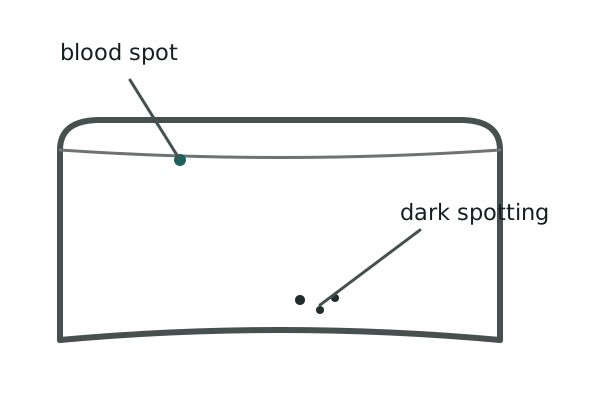
Bed bugs don't live on your skin between bites. They hide nearby, in bed frames, mattress seams, bedding and furniture, so look there too: small blood spots from the bites, or tiny dark, almost ink-like spots (bed bug droppings) on sheets or mattress edges.
Do bed bug bites itch?
Yes, for most people. Bedbug bites are commonly itchy, and some people get painful swelling around the bite as well. A small number of people react more strongly than usual, and a severe allergic reaction (anaphylaxis) is possible, though it's rare. For most people the itching is uncomfortable rather than serious, and it fades within about a week.
A cool, damp cloth on the area helps with the itching and swelling. Try not to scratch, since broken skin is more likely to get infected. For most people the symptoms clear up within about a week without treatment.
Are bed bug bites always in a line?
No. Bedbugs often bite more than once in a feeding session, which is why bites frequently appear in a line or small cluster, but they can also show up scattered or alone. A line of bites is a useful clue, not proof on its own.
It's more reliable alongside other signs: blood or dark faecal spots on bedding, an unpleasant sweetish smell in a heavily affected room, or seeing a live bug, about 5mm long and reddish-brown.
How can you tell it's a bed bug bite?
A bite on its own is hard to confirm. The stronger clue is what's around it: small blood spots or dark spots on your bedding or mattress seams, a sweetish smell in the room, or an actual sighting of a bug. If several people in the same bed are bitten in similar patterns overnight, that also points to bed bugs rather than another insect.
A specialist inspection can confirm an infestation properly and quote for treatment if you need it dealt with.
Questions people ask
How do I distinguish bedbugs bites from other common insect bites?
Bedbug bites tend to appear on skin exposed while you sleep, face, neck and arms, often in a line. Flea bites usually cluster lower down, around the ankles and lower legs, since fleas live in carpets and soft furnishings rather than the bed. Mosquito bites are usually single, raised and itchy rather than grouped. None of these patterns is certain alone; signs around the bed matter just as much.
Do bed bug bites scab?
Not usually by themselves. Bedbug bites are more likely to swell and itch than scab or blister. Scratching them can break the skin, and that's when infection becomes a risk, shown by redness, heat, swelling or pus around the bite. See a pharmacist if that happens.
What part of the body do bed bugs bite the most?
Bed bugs feed on skin left uncovered while you sleep, so bites cluster on the face, neck, arms, hands and shoulders more than areas kept covered by bedding or nightwear. If you tend to sleep in long sleeves or under a sheet, you may notice fewer bites in those covered areas and more on whatever's left exposed overnight.
How do you know you got bitten by bed bugs?
There's no single test from the bite alone. Combine the bite pattern (grouped or in a line, on exposed skin) with signs around the bed, blood or faecal spots on sheets, a sweetish smell, or a live bug. If you're not sure, a specialist inspection will confirm it and quote for treatment.
What are the differences between bed bug bites and spider bites?
Spider bites in the UK are uncommon; most native spiders struggle to bite through skin, and a genuine bite usually shows as a single puncture mark rather than a cluster or line. Bedbug bites are typically several bites grouped together or in a row. If a bite is very painful, swollen or spreading, see a pharmacist or GP rather than guessing which insect caused it.
In this section
- Bed bug bites
How to ease bed bug bites at home, when to see a pharmacist or GP, and how to deal with the infestation that's causing them.
Updated