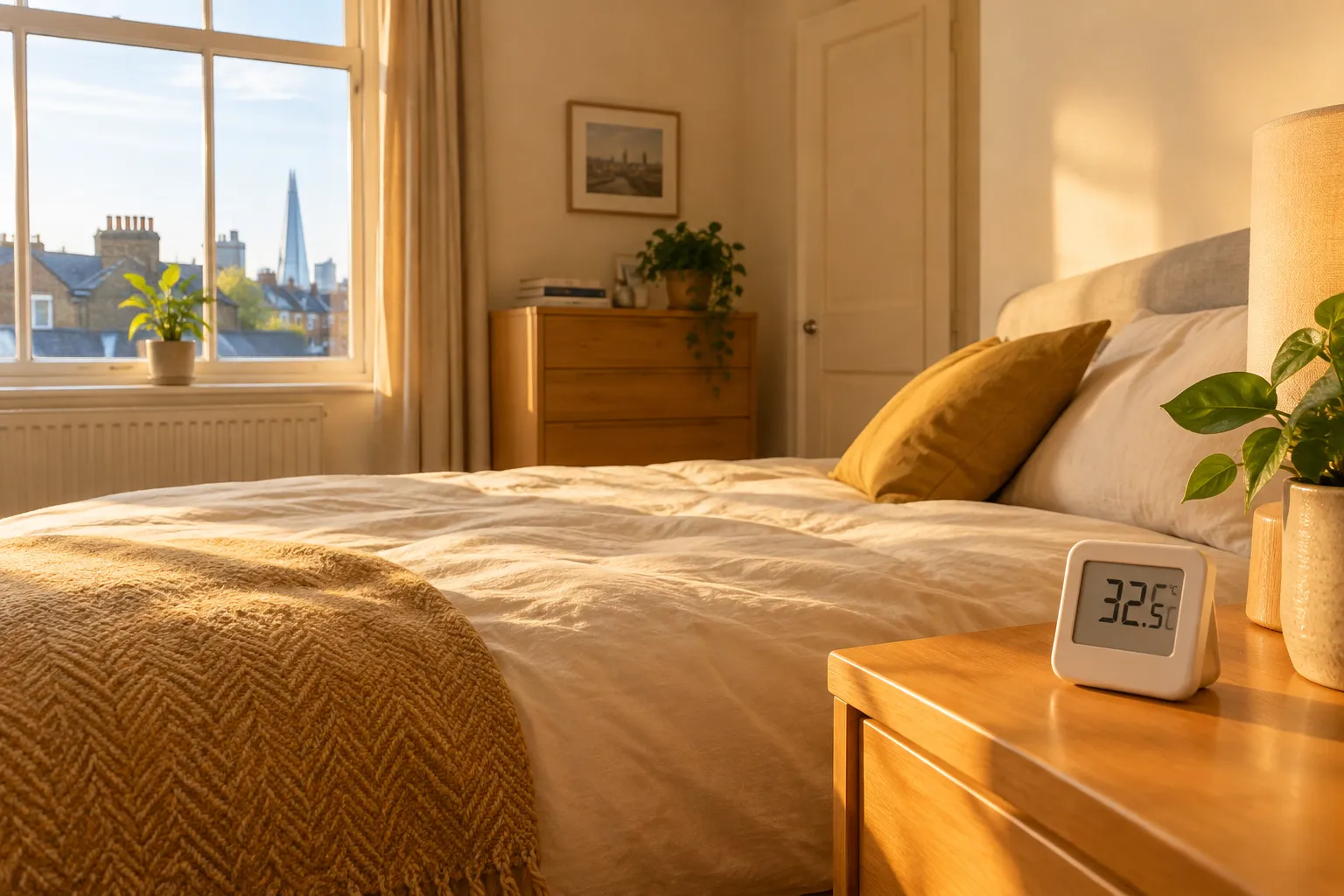
Bed bug thermal treatment, also called heat treatment, uses specialist heaters to raise a whole room well above the temperature bed bugs and their eggs can survive, rather than relying on insecticide. Research on commercial heat treatments found adult bed bugs die at 48°C held for around 70 to 95 minutes, while eggs need a higher 48 to 55°C for a similar period to be fully killed, since eggs are more heat-resistant than adults. A bed bug heat treatment specialist brings monitored heaters and sensors into the property, because a bug heat treatment job like this is built around reaching and holding those temperatures throughout the room, including inside furniture and wall cavities where bed bugs hide, not just in the open air.
What kills bedbugs, heat or cold?
Both can kill bed bugs, but heat is the one used for whole-room professional treatment, because it works in a single visit. Research on commercial heat treatment found that bed bug eggs are harder to kill than adults: eggs need sustained exposure to around 48 to 55°C, while adults die faster at similar temperatures.
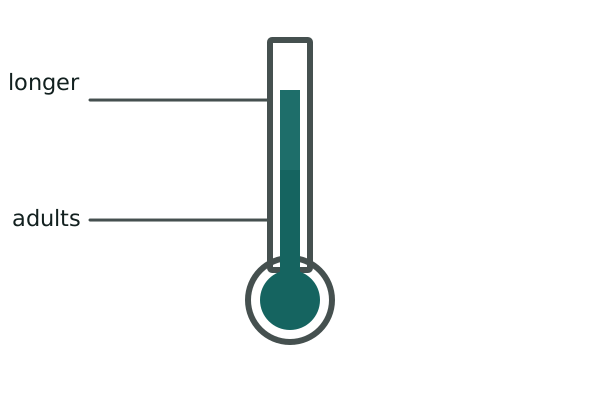
A specialist heat treatment is set up to hold the whole room, not just the air, at a high enough temperature for long enough to kill both. Cold can also kill bed bugs, but it needs a genuine deep freeze, well below a home freezer's normal setting, held for several days, which is why it's mainly used for individual items rather than a whole room.
Can you do your own heat treatment for bed bugs?
Not realistically for a whole room. The equipment used for professional heat treatment reaches and holds specific temperatures throughout a room, including inside mattresses, furniture and wall cavities, with monitoring to confirm every hiding spot actually got hot enough. A domestic heater or hairdryer can't do this safely or evenly, and uneven heating can just make bed bugs scatter into neighbouring rooms instead of killing them.
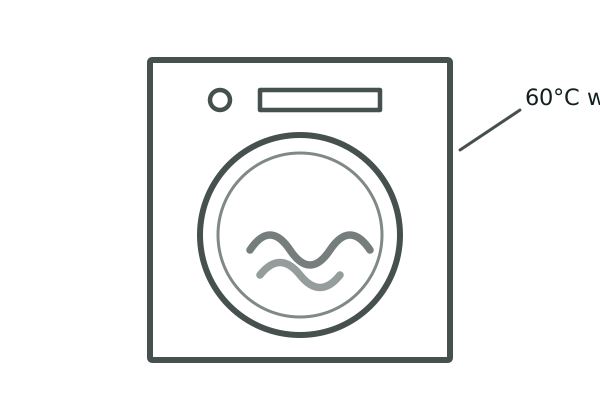
Washing items at 60°C and tumble drying them for at least 30 minutes is an effective DIY step for bedding and clothing, but it only covers what fits in a washing machine, not the room itself.
How many bed bugs do I have if I see one?
Seeing one bed bug doesn't tell you the size of the problem. Bed bugs hide in cracks and seams during the day and come out to feed at night, so a single sighting often means there are more nearby that you haven't spotted. Signs like blood spots or dark faecal spots on bedding, or bites appearing night after night, suggest an established infestation rather than a single stray insect.
What time of year is worst for bed bugs?
Bed bugs don't go away in any particular season; they're active year-round indoors, since homes stay warm regardless of the weather outside. Reports often rise after summer travel, when bed bugs are picked up from hotels, flights or other accommodation and brought home in luggage.
Questions people ask
What to do if you've slept in a bed with bed bugs?
Check yourself for bites and check the bedding and mattress seams for blood spots or dark faecal spots. Wash any clothing and bedding you can at 60°C and tumble dry for at least 30 minutes, since heat kills bed bugs at both stages given enough time. If you've brought luggage home from the same place, check and treat that too rather than just the bed.
Do bed bugs stay on you after a shower?
Bed bugs don't live on your body, so a shower doesn't carry them with you in the way it might with some other pests. They feed and then return to hiding places near the bed, such as seams, frames and skirting boards, which is why treating the room matters more than washing yourself.
What kills bed bugs instantly on a mattress?
Nothing kills them completely instantly; even heat treatment needs sustained exposure, around 48°C for over an hour, to kill eggs as well as adults. A mattress encasement that seals bed bugs in won't kill them straight away either, but it stops them reaching you and traps any already inside until they die off.
Updated